Storing onions is about as easy as it gets. Simply tie the onions into a pair of pantyhose, and you’re good to go. The storage system also becomes a dispensing system, as you just cut off the bottom onion (below the knot) as needed. Here’s the latest harvest, saved by The Gardener himself.
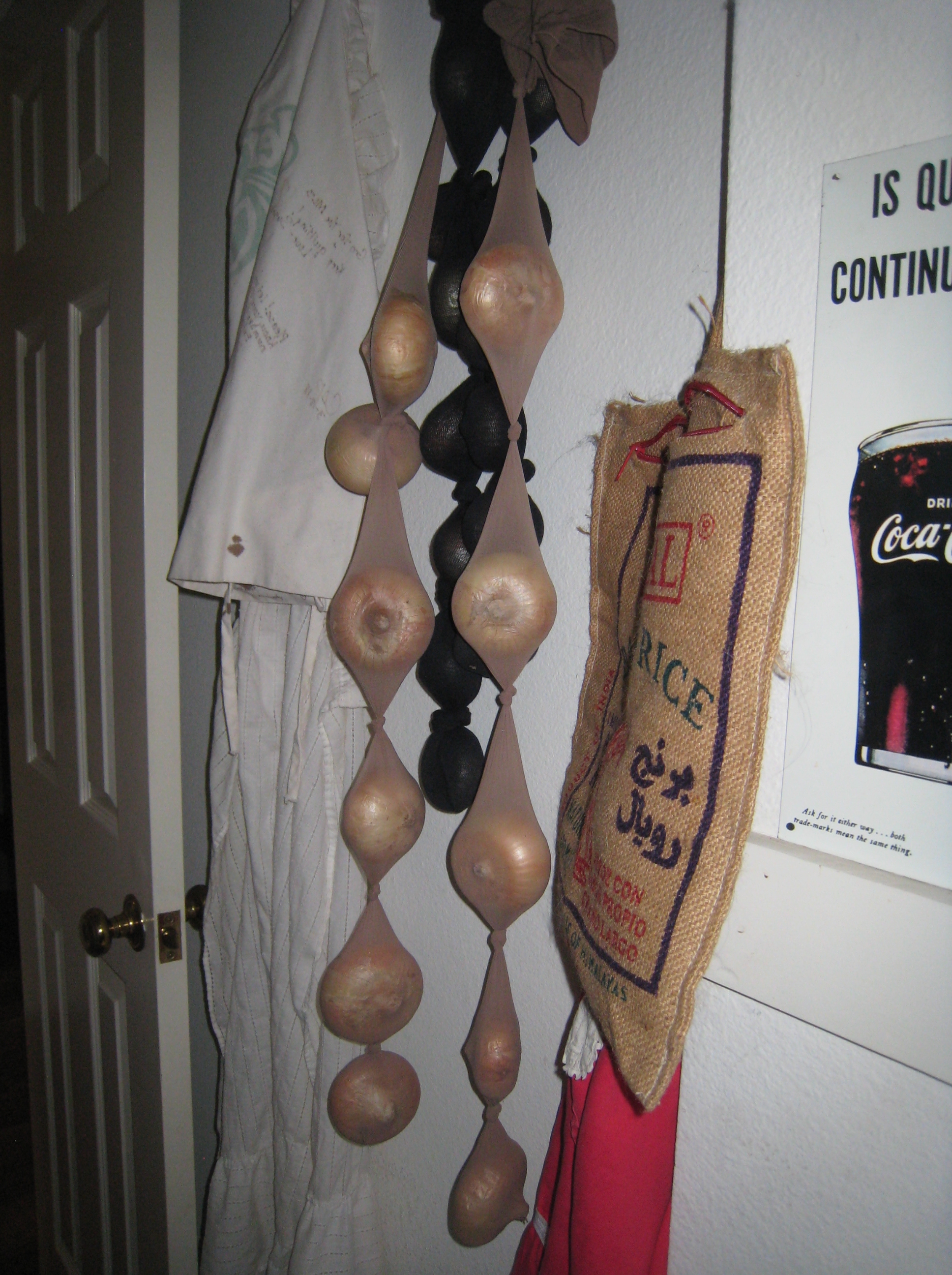
Granex Sweets in the Pantry
These are sweet onions (Granex) of Vidalia, Maui, Texas, or Walla Walla fame.
The picture seems to say it all, but don’t hesitate to submit any questions or comments. Onions stored this way should keep for several weeks.
Note that before storing onions, you have to let them dry. Be sure the stem above the bulb has closed off.
Long Day, Short Day, What’s the Diff?
As it happens, onions care about day length. The Gardener planted a lovely variety of onion called the Cipollini (chip-o-LEE-ni). The seed packet promised flattened, medium sized bulbs great for roasting. Yum! Sadly, the cipollinis didn’t bulb the way one would hope. After patiently waiting for the onion to swell and create the coveted bulb, The Gardener engaged a fellow farmer in conversation about non-bulbing onions. It came to light that the Cipollini is a long day onion. Well, to The Gardener, that explained everything. The Harvest Manager needed a bit more illumination.
Bulb-creation among onions is driven by sunlight. Some onions require more hours of sunlight than others in order to launch the bulbing process. Onions that require lots of sunlight are called long day onions. Onions that will bulb even with fewer hours of sunlight are called short day onions. In the southern latitudes we need to grow short day onions to get the desired bulb. Cipollinis will never bulb in Southern California because they are long day onions. No amount of patient waiting will change that.
In keeping with the Harvest Manager’s motto, “Waste Not, Want Not”, the onions promptly came out of the ground and into the kitchen on their way to a medley of grilled vegetables.
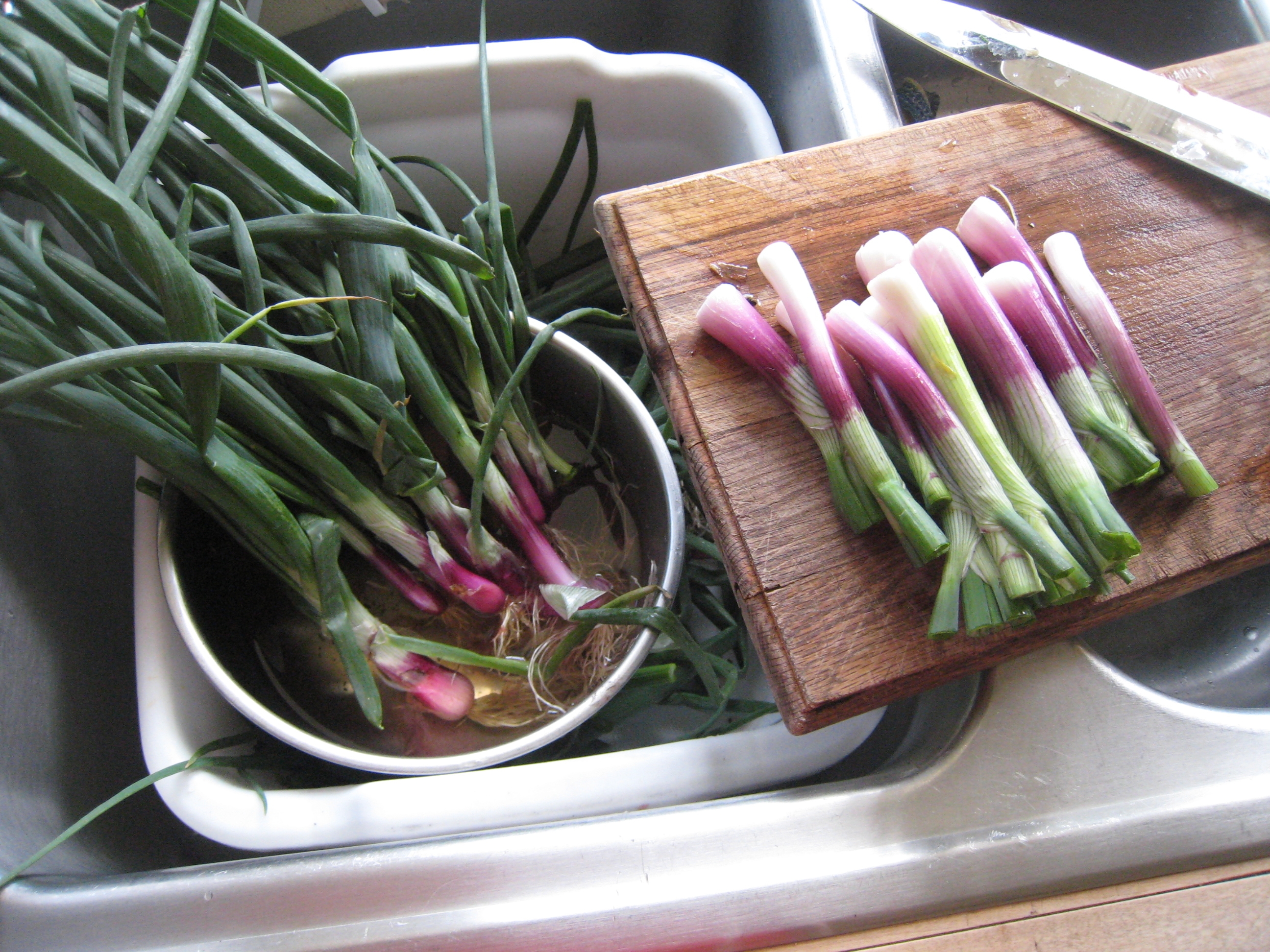
Immature Cipollini Onions on their way to the grill
All’s well that ends well.
Tomato Seedlings Are Growing Up
After several weeks under the lights in the seedling incubation unit of The Gardener’s garage, the young plants have begun the transition to solar light.
The wee ones now spend a few hours each day under the cloth covering out on the driveway as they are hardened to outdoor conditions. Mind you, conditions in Southern California are not what one would call harsh. Nevertheless, sunburn can ensue if you simply plunge the young plants into the great outdoors without a care.
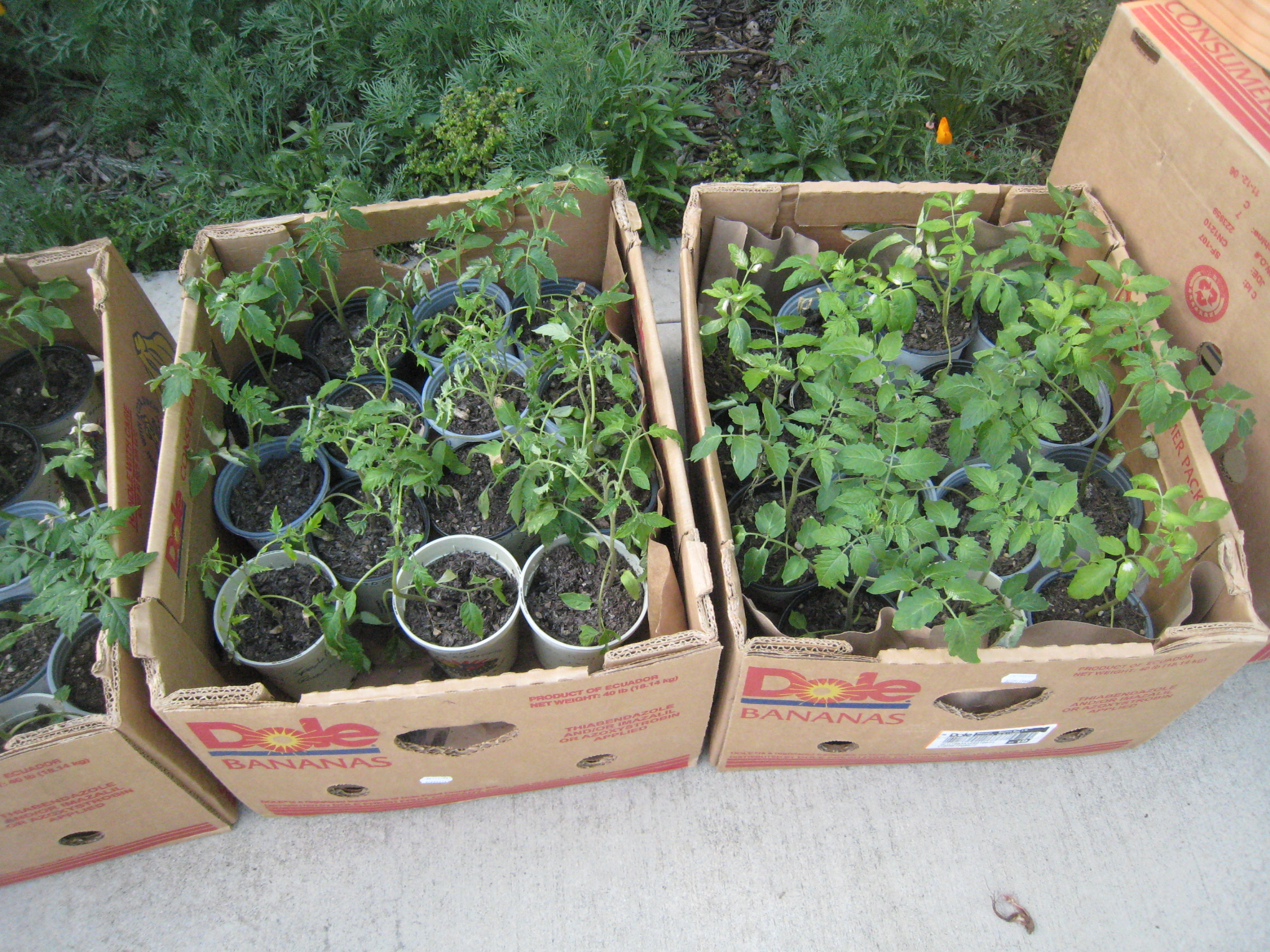
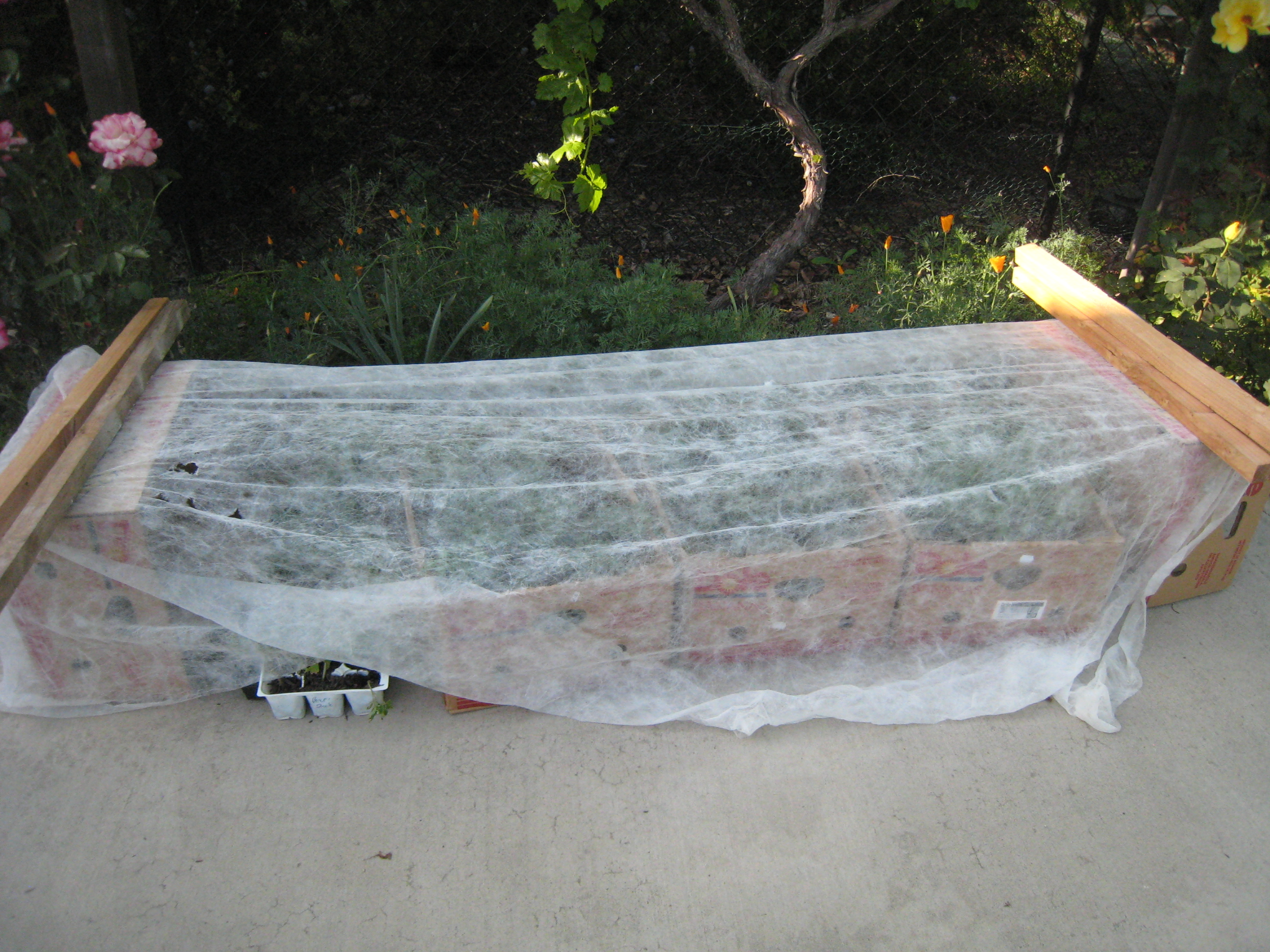
Varieties include Speckled Roman, Big Rainbow, Giant Belgium, and the ever popular Brandywine.
These plants will yield the abundance of heirloom tomatoes destined for salads and the full range of preservation methods. We will follow them along the way.
A Bumper Crop of Lettuce
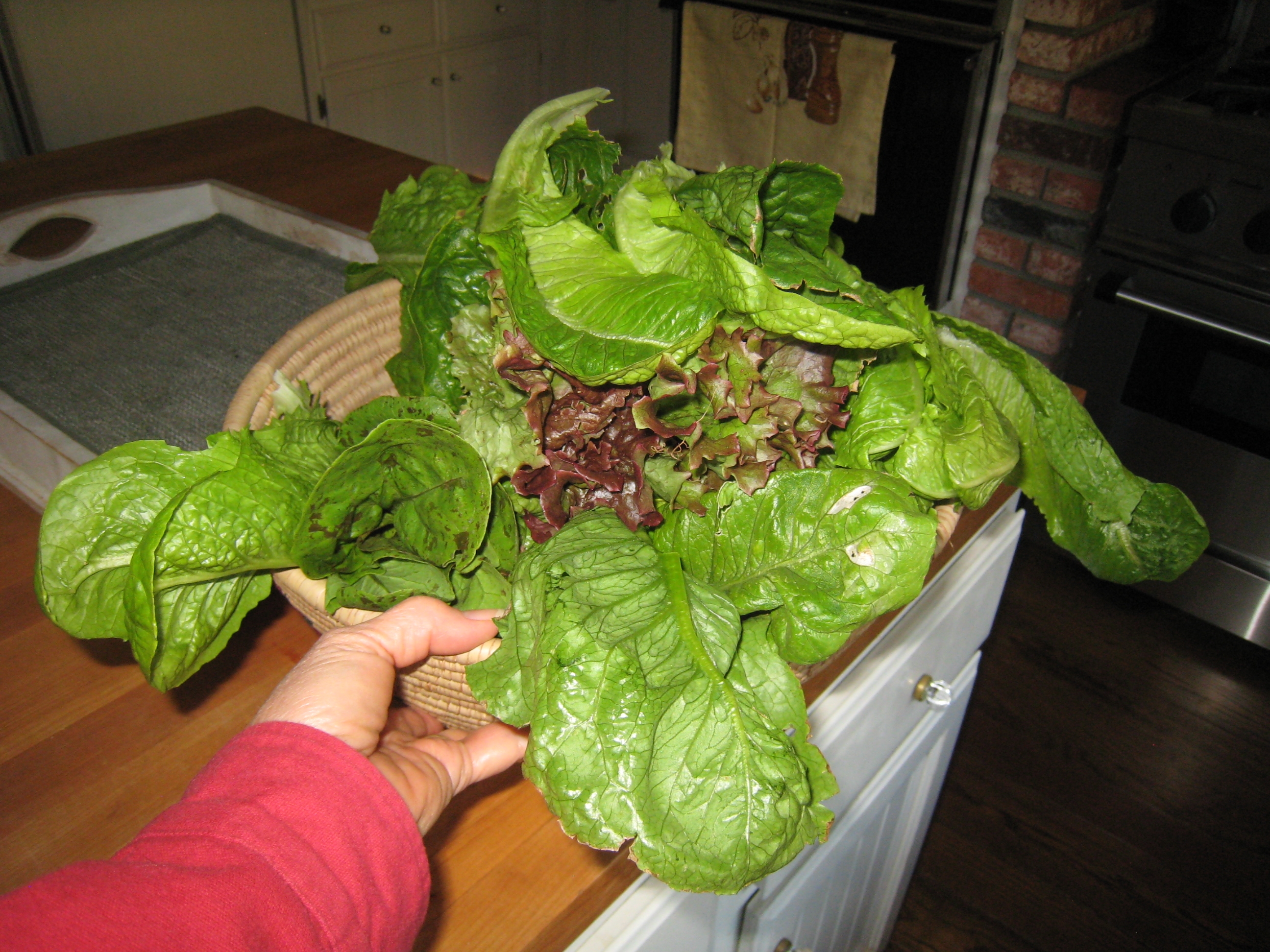
Some times your best bet to save the harvest comes from having hungry neighbors. “Hello, Janet? How would you like a bag of freshly picked lettuce?….You would? That’s great. I’ll be right over.” Done and done.
Eat More Kale
The kale harvest is nigh, and we’ll talk about roasting and sauteing in a future post. Right now we’re talking about T-shirts, and Chick-fil-A, and law suits.
 First, the T-shirts. You can buy a cool Eat More Kale T-shirt from Bo at Vermont’s One-of-a-Kind T-Shirt Designs. The shirts have become very popular with foodies and gardeners, and they’re selling like hotcakes all over the world. I know you want one.
Now, there’s the question of Chick-fil-A. The fast food restaurant powers-that-be seem to think there’s the possibility that consumers will confuse Eat More Kale with the Chick-fil-A slogan, Eat Mor Chikin. The have chosen to press their suit in the courts.
Watch this video to learn more about kale and what’s the deal with Chick-fil-A.
The Gardener Has Left the Country
The Gardener has gone out of town, leaving the Harvest Manager in charge. This responsibility comes my way on a fairly regular basis, and I always find it a rather high pressure situation. Things can go awry. Sprinklers malfunction, insects do what insects do, squirrels invade. I try to keep a sharp eye on the welfare of the next harvest.
On the up side, there are no surprises in the kitchen. I get to pick what I need when I need it. Yesterday I picked a handful of Brussels sprouts for last night’s dinner and just enough Romaine lettuce for today’s lunch.
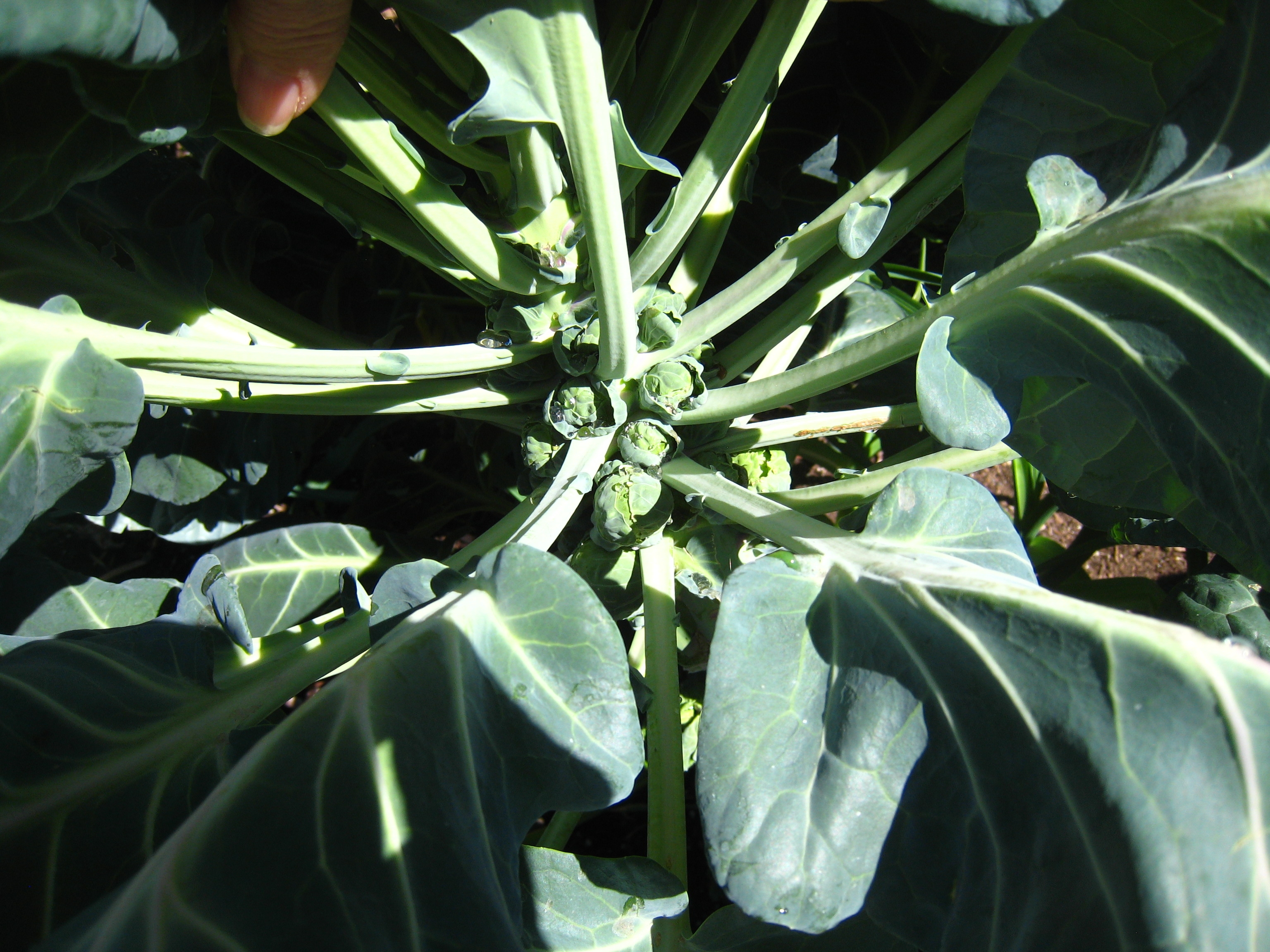
Brussels sprouts on the stalk
Here’s a tip on cooking Brussels sprouts that I learned from Alton Brown. Bring an abundance of salted water to a rolling boil. Add whole sprouts if they are small or halved sprouts if they are large. Let them boil until they turn bright green, then drain. Experience indicates that this method will also liberate the vast majority of aphids that may have come in with the harvest. After draining you can add seasonings or butter to taste.
If you’ve only experienced the grey, overcooked, mushy Brussels sprout, you’ll be surprised how tasty these little cabbages can be.
3 Ways to Roast a Pepper
As The Gardener wraps up the late crops and begins planting for Spring, an abundance of peppers have entered the kitchen. Most of these prove very tasty when roasted and used in a casserole, on a hamburger, or in a salad.
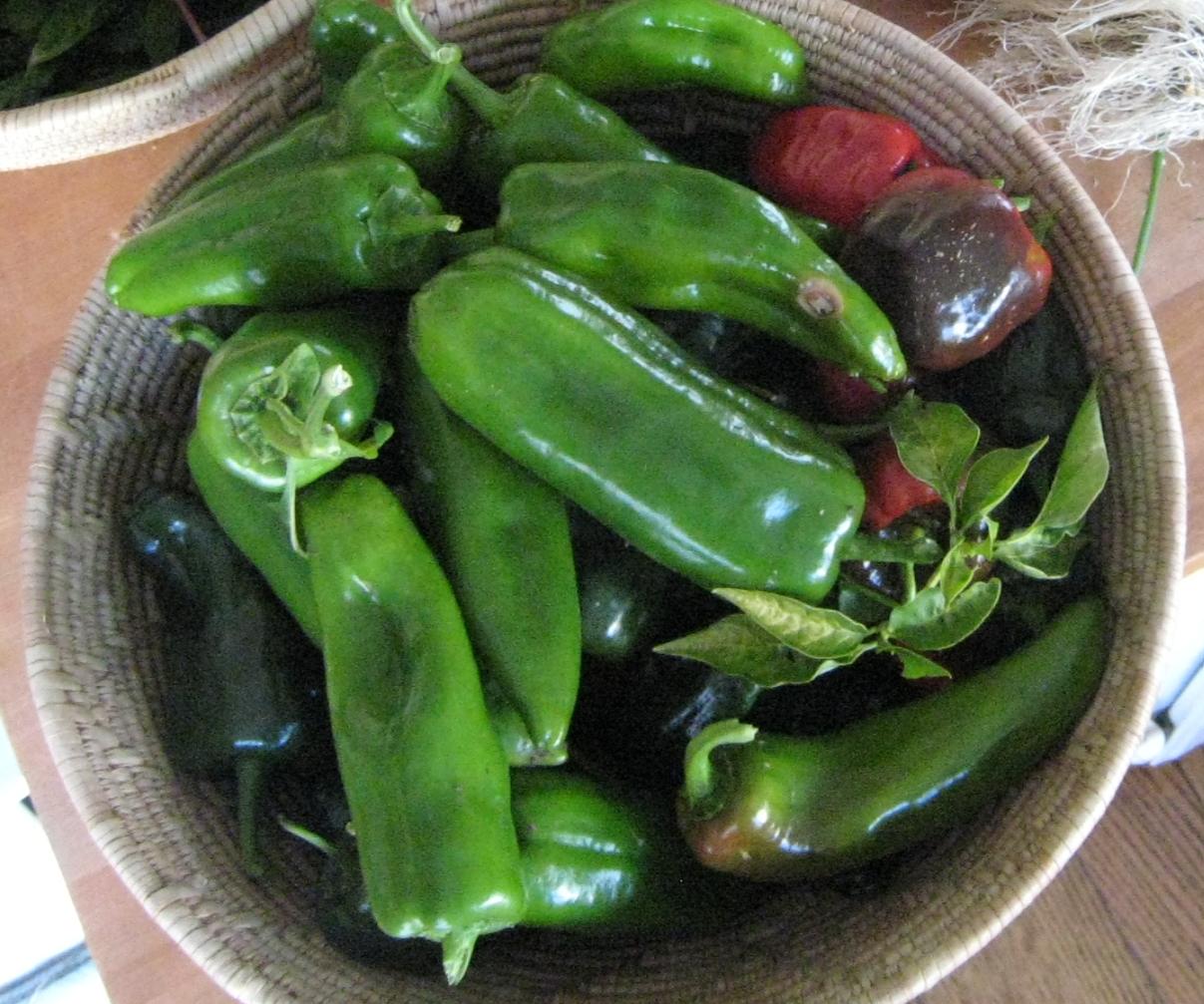
Roasting softens the pepper, concentrates the flavor, and facilitates peeling. I know of three ways to roast peppers. If you know others, please share.
One
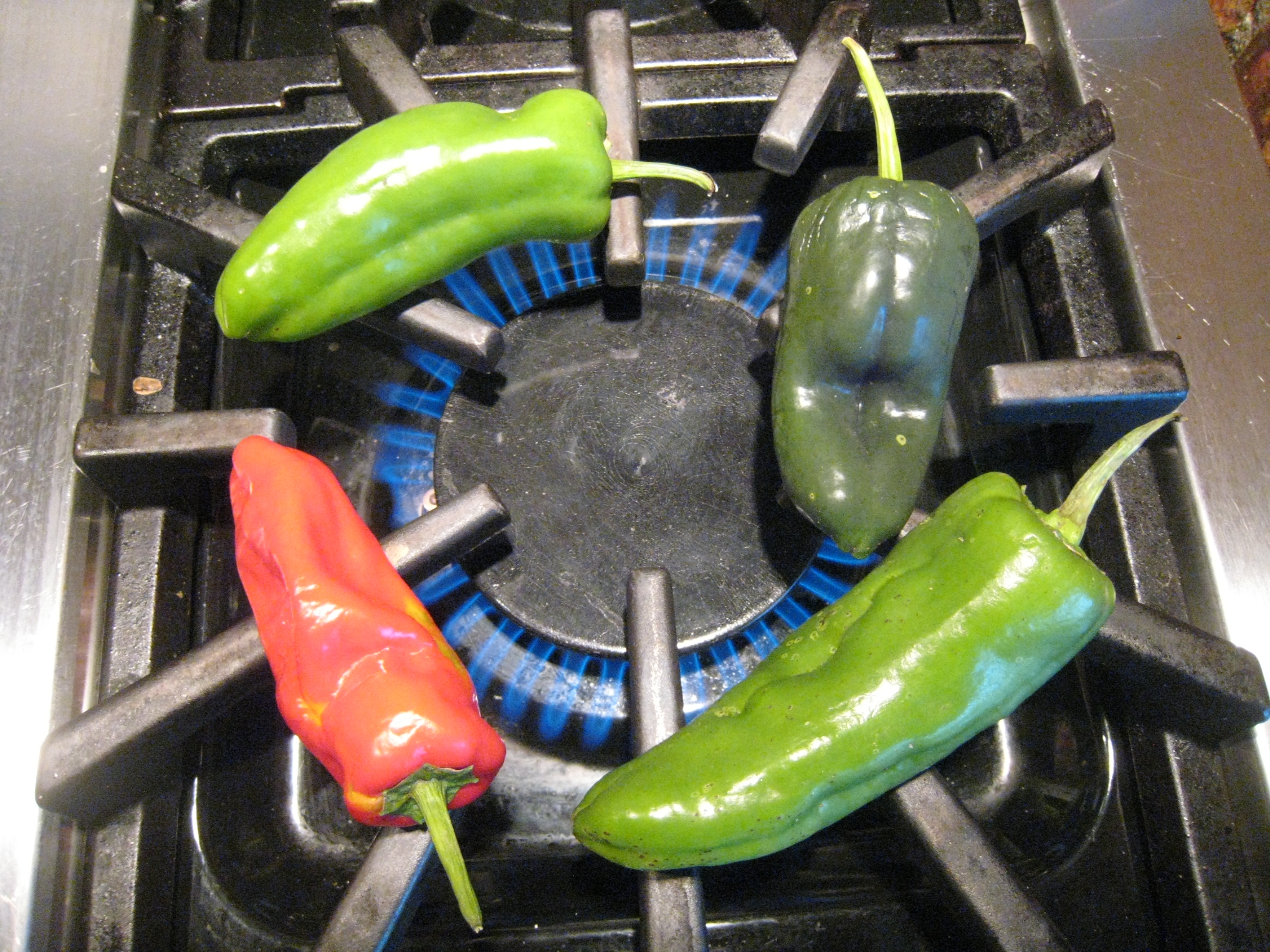
If you have a gas stove you can fire up the burner and place the pepper right on the grates as close to the flame as possible. Turn with tongs until most of the skin is charred. Once they’re properly roasted I move them to a bowl of water to rub off the skin. It should separate very easily. Alternatively you can place the hot peppers in a closed container to let them steam a bit. The peel should slide right off after a few minutes.
Two
If you have a gas barbecue grill you can remove the grates and get the pepper close to the flame. This is probably the fastest method because you can fit more peppers over the flame than you can with the stove. Stay close and keep turning. Peel as noted above.
Three
In The Art of Simple Food Alice Waters describes an oven method for roasting peppers. Place washed and dried peppers on a baking sheet in a 450 degree oven. Leave at least 1/2 inch of space between each pepper. Check every 5 minutes and turn as they brown. Keep turning until the skin is blistered and black and the peppers are soft. This will take about 35 minutes.
Timing is Everything, and Apparently It’s Time for Piccalilli
So, I’m on my hands and knees painting the front porch a lovely shade of deep green when The Gardener pokes his head out the front door. “How would you like to make some piccalilli?” he asks. I wonder what made him think that just then would be a good time to propose a rather labor intensive canning project. Maybe he figured I needed something to occupy my mind while I concentrated on applying one and a half gallons of paint to the flat wood surface that serves as the main architectural feature on the front of our house.
Apparently we have a few straggler green tomatoes to manage. When I asked him how many, he cupped his hands into a bowl that I estimate could hold 8-10 tomatoes. My piccalilli recipe calls for 16 medium sized green tomatoes. Truth be told, I really like piccalilli. It goes great with black-eyed peas, so I think I’m going to take the plunge and make a half batch. I’d make the green tomato pickles described elsewhere in this blog, but I don’t have a jar of good dill pickle juice to work with.
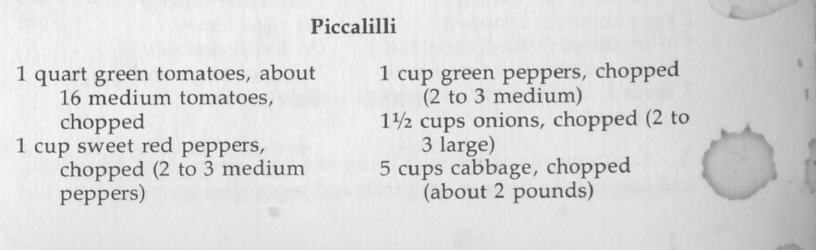
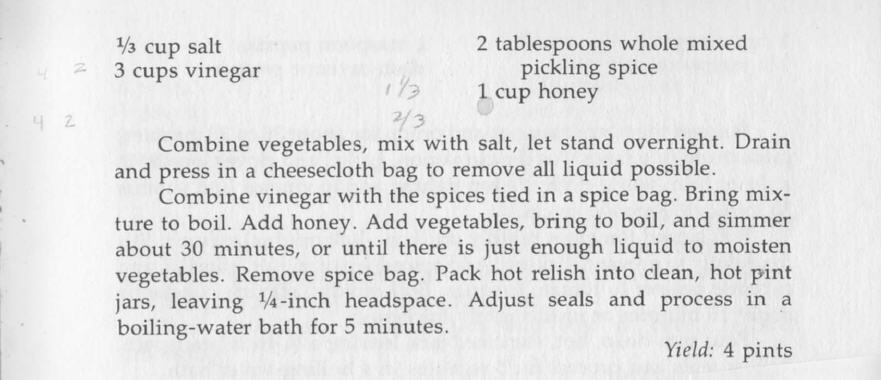
Here’s the recipe, which you can see has been much used over the years. It comes from the 1977 edition of Stocking Up by Carol Hupping Stoner. For some reason they left it out of the more recent edition.
Gardener as Award Winning Photographer
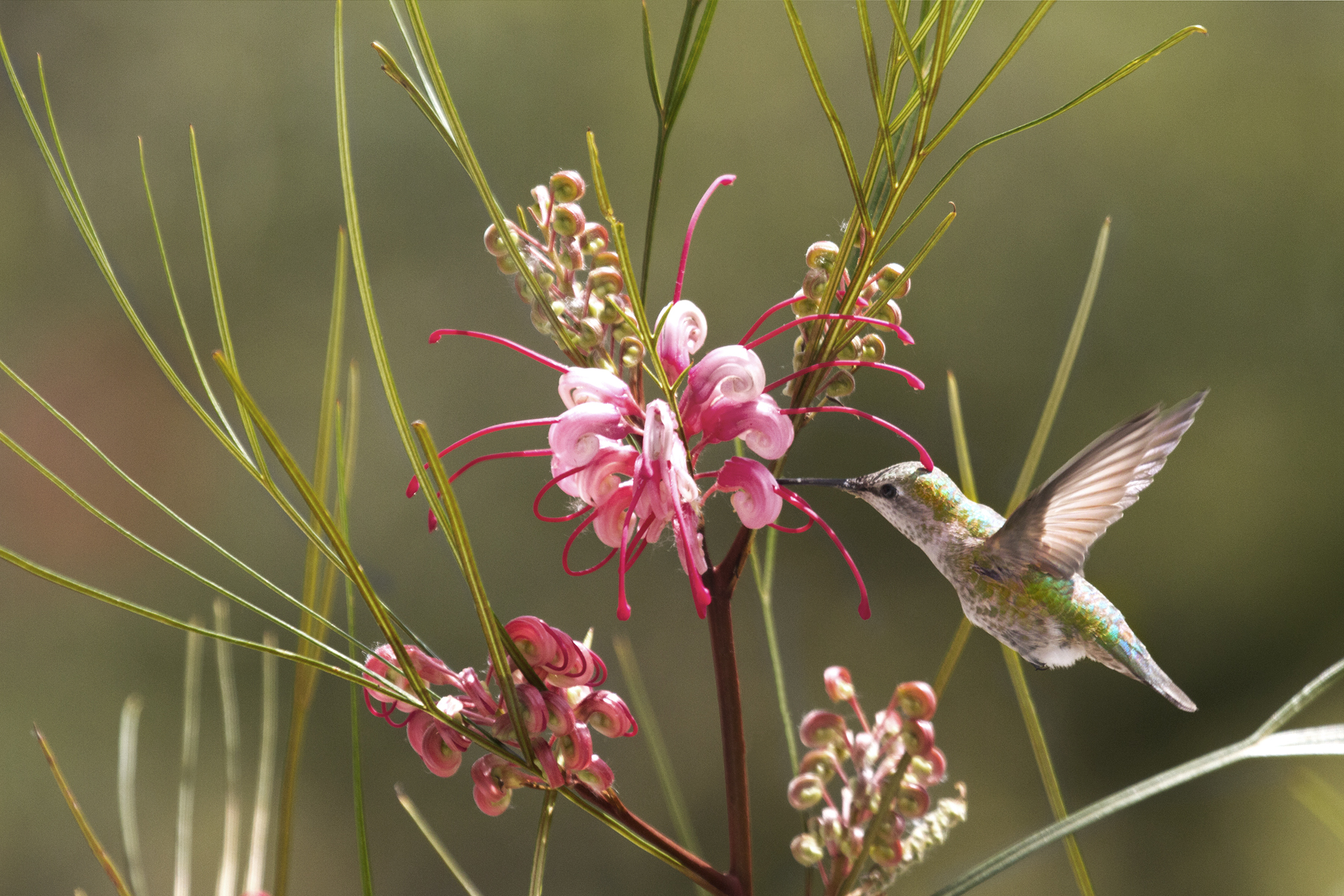
The gardener also practices nature photography. He subscribes to an abundance of gardening publications, and one recently held a photo contest. He submitted “Hummingbird”, which won an honorable mention and appeared in the January/February 2012 issue of Gardening: How-To .
The magazine chose Hummingbird from thousands of entries as one of 12 winners based on technical precision, creative perspective, and intriguing subject matter. Way to go Gardener!


 Save the Harvest